

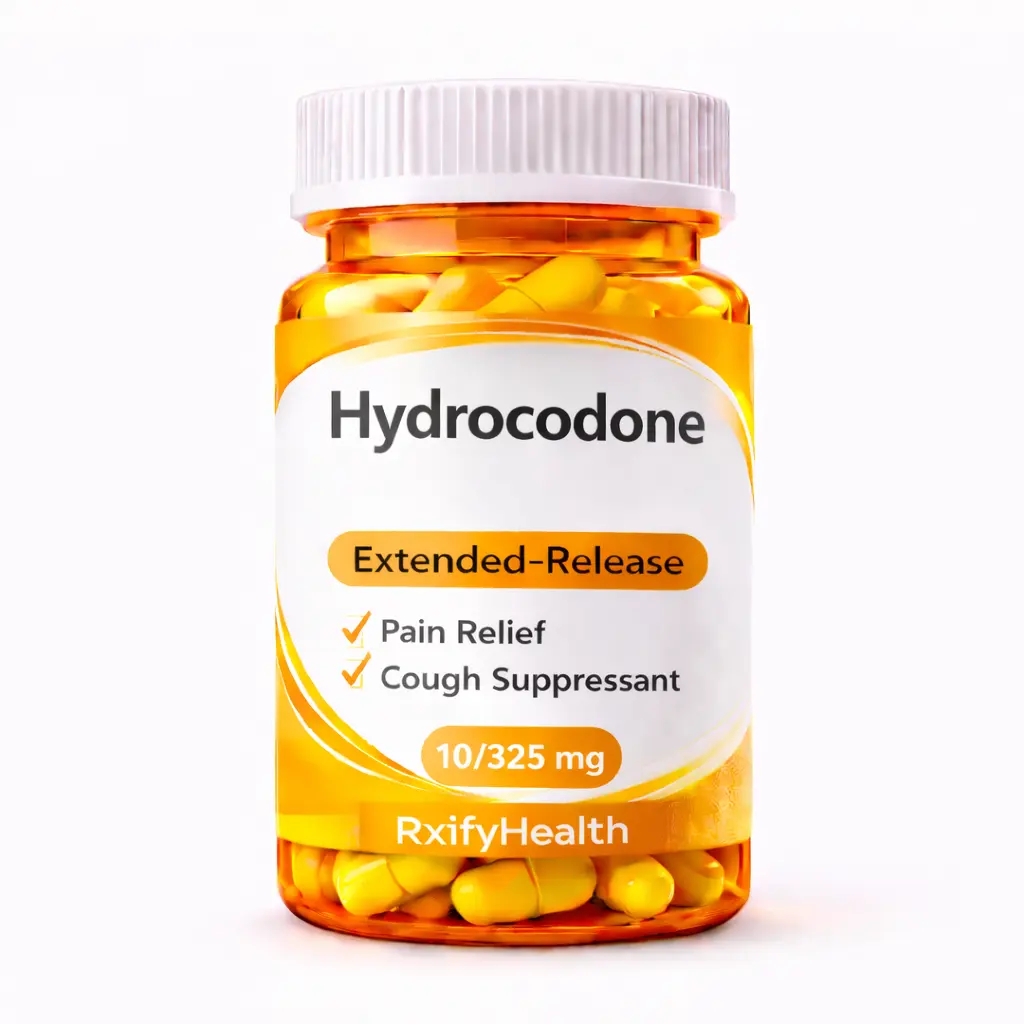

Hydrocodone 10/325 mg
Hydrocodone is a powerful prescription pain medication commonly used to treat moderate to severe pain. It belongs to the opioid analgesic class, meaning it works by altering the way the brain and nervous system respond to pain. Hydrocodone is often prescribed for conditions like injury, surgery recovery, or chronic pain, and it is frequently combined with other pain relievers, such as acetaminophen, for enhanced effectiveness.
How Hydrocodone Works
Hydrocodone works by binding to opioid receptors in the brain and spinal cord, which are responsible for transmitting pain signals. By blocking these signals, hydrocodone reduces the perception of pain and provides relief. Additionally, hydrocodone has a sedative effect, helping to ease discomfort and improve mood. However, due to its impact on the brain's reward system, hydrocodone has the potential for misuse and dependence.
Benefits of Hydrocodone
● Effective for Moderate to Severe Pain: Hydrocodone is a strong pain reliever, ideal for individuals dealing with significant pain from conditions like injury, surgery, or chronic illnesses.
● Combination Formulations: Hydrocodone is often combined with other pain relievers, such as acetaminophen or ibuprofen, which can enhance its pain-relieving effects and improve overall comfort.
● Fast-Acting Relief: Hydrocodone typically works quickly, providing pain relief within an hour of ingestion, making it especially helpful for acute pain conditions.
How to Use Hydrocodone
For safe and effective use, follow these guidelines:
1. Take Exactly as Prescribed: Hydrocodone should be taken precisely as directed by your doctor. Do not exceed the prescribed dose, as this can increase the risk of serious side effects, including overdose.
2. Avoid Crushing or Breaking Tablets: If you are prescribed extended-release hydrocodone, do not crush or break the tablets, as this can release too much of the drug too quickly and lead to an overdose.
3. Take with Food if Needed: Hydrocodone may cause nausea, especially when taken on an empty stomach. Taking it with food can help reduce this side effect.
Precautions for Taking Hydrocodone
Due to its potency and potential for misuse, hydrocodone should be used with caution:
● Risk of Dependence and Addiction: Hydrocodone is an opioid, which means it has a potential for abuse, dependence, and addiction, especially when used over long periods or in higher doses than prescribed. Use it only as directed by your healthcare provider.
● Interactions with Other Medications: Hydrocodone can interact with other medications, including antidepressants, benzodiazepines, and alcohol. These interactions can increase the risk of serious side effects such as sedation, respiratory depression, and overdose. Always inform your healthcare provider about all medications you're taking.
● Avoid Alcohol: Drinking alcohol while taking hydrocodone can lead to dangerous side effects, including slowed breathing, loss of consciousness, and even death.
● Monitor for Respiratory Depression: Hydrocodone can slow your breathing, especially if taken in high doses. If you experience trouble breathing, dizziness, or extreme drowsiness, seek medical help immediately.
Side Effects of Hydrocodone
While hydrocodone is effective for pain relief, it can cause a range of side effects, such as:
● Drowsiness and dizziness
● Constipation
● Nausea and vomiting
● Headache
● Drymouth
Severe side effects, such as confusion, shallow breathing, seizures, or signs of an allergic reaction (rash, swelling, trouble breathing), should be addressed immediately by contacting a healthcare provider.
Is Hydrocodone Right for You?
Hydrocodone is a potent pain reliever that offers effective relief for moderate to severe pain. It can be an invaluable part of pain management when used correctly and under a doctor’s supervision. However, due to its risk for dependence and misuse, hydrocodone should be used cautiously and only for the prescribed duration. If you are concerned about the long-term use of opioids, or if you need ongoing pain management, consult your doctor for alternative options that may carry a lower risk for dependency.
Customer Reviews
Adam Tiffan
( 19-Apr-2026 )The website is secure, and the service is professional.
Kevin Kenne
( 25-Feb-2026 )Quality You Can Trust.
Mike
( 17-Feb-2026 )Great Prices, Great Service
