
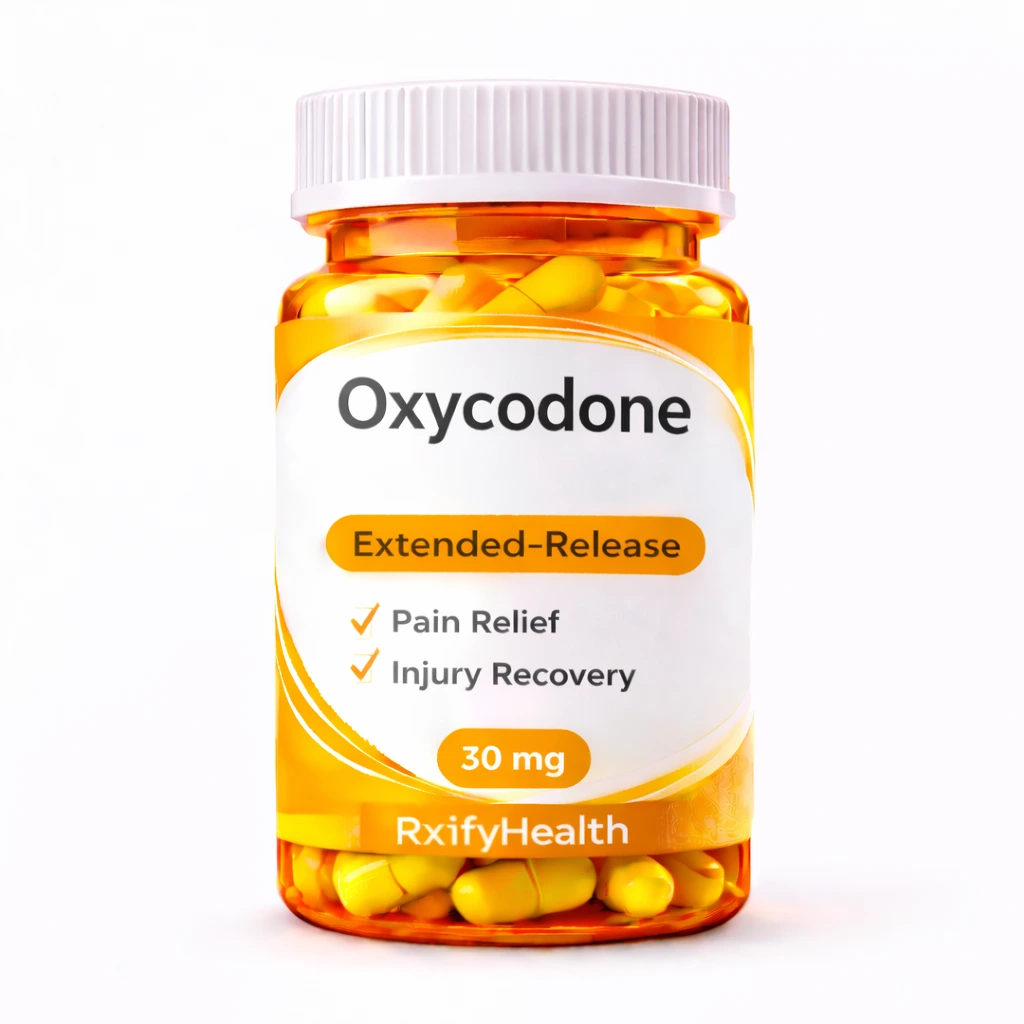

Oxycodone 30mg
Oxycodone 30 mg is a potent opioid analgesic commonly prescribed for the management of severe pain, particularly in patients who need continuous pain relief over an extended period. This medication is typically reserved for cases where other pain relievers are ineffective. Oxycodone works by altering the way the brain and nervous system respond to pain, providing effective relief for patients with chronic pain, injury-related pain, or post-surgical pain.
How Oxycodone 30 mg Works
Oxycodone is an opioid that binds to specific receptors in the brain and spinal cord, known as opioid receptors, to block pain signals. By affecting these pathways, it not only reduces the perception of pain but can also provide a sense of calm and relaxation. Oxycodone 30 mg is one of the higher doses available, meaning it is generally prescribed for individuals with significant pain management needs.
Benefits of Oxycodone 30 mg
● Effective for Severe Pain: This high-dose formulation is ideal for patients experiencing severe or chronic pain, especially when other medications are not sufficient.
● Long-Lasting Pain Relief: Oxycodone 30 mg provides sustained pain relief, making it suitable for conditions requiring consistent, round-the-clock pain management.
● Improves Quality of Life: For those with debilitating pain, oxycodone can significantly improve mobility and comfort, allowing for better participation in daily activities and therapies.
How to Use Oxycodone 30 mg
Follow these guidelines for the safe and effective use of Oxycodone 30 mg:
1. Take Only as Directed: Use this medication exactly as prescribed by your doctor. Do not take more than the prescribed dose, as this increases the risk of dangerous side effects, including overdose.
2. Swallow Tablets Whole: Do not crush, chew, or break the tablet, as doing so could release too much of the drug at once, increasing the risk of overdose.
3. Scheduled Dosing: Oxycodone is often taken at regular intervals, every 4 to 6 hours, for consistent pain control. Avoid self-adjusting your dose or frequency without consulting your healthcare provider.
Precautions for Taking Oxycodone 30 mg
Due to its potency, Oxycodone 30 mg requires careful use:
● High Risk of Dependence: As a strong opioid, oxycodone has a high potential for addiction and should only be used under close supervision. Follow your doctor’s instructions on dosage and frequency.
● Avoid Alcohol and Other CNS Depressants: Combining oxycodone with alcohol, sedatives, or other opioids can lead to severe respiratory depression, a potentially life-threatening side effect.
● Do Not Drive or Operate Machinery: Oxycodone can cause drowsiness and impair alertness. Avoid any tasks that require focus until you understand how the medication affects you.
● Interactions with Other Medications: Oxycodone can interact with other medications, such as benzodiazepines, antidepressants, and antihistamines, increasing the risk of sedation and other side effects. Inform your doctor of all medications you are currently taking.
Side Effects of Oxycodone 30 mg
While oxycodone is effective in relieving severe pain, it can cause various side effects, such as:
● Drowsiness and dizziness
● Constipation
● Nausea or vomiting
● Drymouth
Serious side effects, such as difficulty breathing, confusion, seizures, or signs of an allergic reaction (rash, itching, swelling), require immediate medical attention.
Is Oxycodone 30 mg Right for You?
Oxycodone 30 mg is a powerful option for individuals who experience intense or chronic pain and need strong pain relief. Due to its risk for dependency and other side effects, it should be used carefully and under strict medical guidance. For those needing long-term pain management, discuss alternatives and supplemental therapies with your healthcare provider, as other pain management strategies may be effective with a lower risk of dependency.
Customer Reviews
Mary Lane
( 19-Mar-2026 )Ordering Oxycodone online was a little intimidating, but this pharmacy made it so easy and secure. I’m very happy with the service.
Emily T
( 13-Mar-2026 )Oxycodone helps with my chronic pain, and this pharmacy is trustworthy and professional. They make the process stress-free.
Lisa
( 08-Mar-2026 )Very discreet and professional.
Tom H
( 25-Feb-2026 )The pharmacy keeps me updated on my order and delivers fast every time.
Robert N
( 18-Feb-2026 )I’ve ordered Oxycodone several times, and they always get it right. Fast shipping and responsive customer service.
Theo
( 21-Jan-2026 )Ordering Oxycodone from this pharmacy has been a game-changer. Fast delivery and always top quality. Highly recommend.
Daniel R
( 26-Dec-2025 )Ordering Oxycodone from here was easy and secure. They verify prescriptions, which made me feel comfortable ordering online.
Liam L
( 25-Dec-2025 )This is the only pharmacy I trust to order Oxycodone. They always deliver on time, and the medication is genuine.
